

The past 80 years have witnessed a remarkable transformation in lock and security technology. From simple mechanical locks in the 1940s to today’s smart, connected security systems, locks have evolved to meet changing security needs and technological advancements.
1940s–1950s: Traditional Mechanical Locks
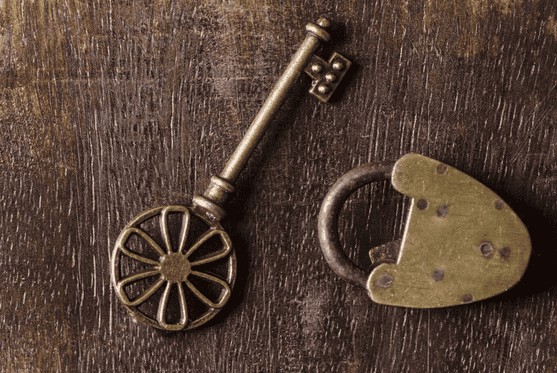
In the 1940s, most homes and businesses relied on basic mechanical locks. These locks used simple pin-tumbler mechanisms and metal keys. While effective for the time, they offered limited protection against skilled burglars.
Key Features:
- Basic metal keys
- Manual locking systems
- Limited security features
- Handcrafted locksmith services
1960s–1970s: Improved Security Standards
As urban areas grew, the demand for stronger security increased. Manufacturers introduced more sophisticated lock designs with enhanced resistance to picking and forced entry.
Innovations:
- Better lock materials
- Advanced pin-tumbler systems
- Deadbolt locks became popular
- Improved burglary protection
1980s–1990s: High-Security Locks Emerge
The 1980s and 1990s saw the rise of high-security lock systems. These locks featured patented keyways, anti-drill protection, and enhanced locking mechanisms.
Major Developments:
- Restricted key duplication
- Anti-pick technology
- Commercial-grade security systems
- Master key systems for businesses
2000s: Electronic Access Control
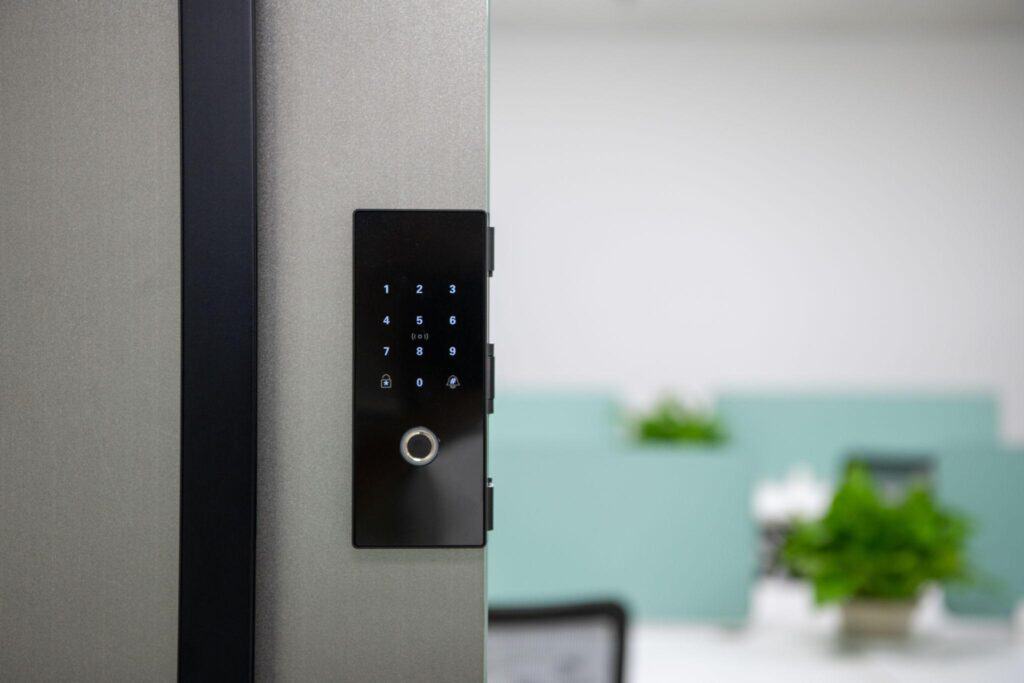
With the digital revolution came electronic locking systems. Businesses and institutions began replacing traditional keys with access cards and keypad entry systems.
New Technologies:
- PIN-code locks
- RFID access cards
- Electronic door controls
- Remote access management
2010s: Smart Locks Transform Security
Smartphones changed how people interact with their homes. Smart locks allowed users to lock and unlock doors remotely using mobile applications.
Smart Lock Features:
- Mobile app control
- Temporary guest access
- Activity tracking
- Remote monitoring
2020s: Connected and Intelligent Security
Today’s locks are part of larger smart home ecosystems. Many systems integrate with cameras, alarms, voice assistants, and cloud-based security platforms.
Modern Capabilities:
- Fingerprint recognition
- Facial recognition integration
- Voice control
- AI-powered security alerts
- Real-time notifications
What the Future Holds
The future of locksmithing is moving toward fully connected security systems that combine artificial intelligence, biometric authentication, and automation. Traditional keys may eventually become less common as digital credentials continue to advance.
Conclusion
The lock industry has evolved dramatically over the last 80 years. What began as simple mechanical protection has become a sophisticated blend of physical and digital security. Modern locksmiths now work with everything from traditional locks to advanced smart security systems, ensuring homes and businesses remain protected in an increasingly connected world.
FAQs
1. How were locks different 80 years ago?
Most locks were purely mechanical and relied on basic metal keys.
2. When did deadbolt locks become popular?
Deadbolt locks gained widespread use during the 1960s and 1970s.
3. What are high-security locks?
These locks include anti-pick, anti-drill, and restricted key technologies.
4. When did electronic locks become common?
Electronic access systems became popular during the early 2000s.
5. What is a smart lock?
A smart lock allows access through smartphones, PIN codes, or other digital methods.
6. Can smart locks work without keys?
Yes, many smart locks use apps, biometrics, or access codes instead of physical keys.
7. Are modern locks more secure than older locks?
Yes, modern locks incorporate advanced technologies that provide greater protection.
8. What role do locksmiths play today?
They install, repair, and maintain both traditional and smart security systems.
9. What is biometric access control?
It uses fingerprints, facial recognition, or other biological traits for authentication.
10. Will physical keys disappear completely?
While digital access is growing, physical keys are likely to remain as backup security solutions for many years.
Need a Reliable Locksmith in Qatar?
Whether you’re locked out of your home, office, or vehicle, professional locksmith assistance is just a call away. From emergency lockout services and key replacement to lock repairs, smart lock installations, and security upgrades, experienced locksmiths can help you regain access quickly and safely. Don’t let a lost key or damaged lock disrupt your day—contact the experts for fast, reliable service anywhere in Qatar.
Contact Us Today:
Key To Success Qatar Contact Page
Get in touch for 24/7 locksmith support, emergency assistance, and professional security solutions tailored to your needs.